Veneers for Worn or Chipped Teeth: A Cosmetic and Functional Solution
Worn or chipped teeth can affect more than just your appearance. They can change how you chew, how you speak, and how confident you feel when you smile. Over time, everyday habits like grinding, biting hard foods, or simple wear and tear can leave teeth looking uneven, shortened, or damaged. Fortunately, veneers offer a solution that is both cosmetic and functional.
If you are looking for a way to restore your smile while also strengthening your teeth, veneers may be the ideal treatment.
Understanding Worn and Chipped Teeth
Teeth naturally experience wear over the years. Enamel can thin due to grinding, acid erosion, or aging. Small chips may occur from accidents, sports injuries, or biting into something unexpectedly hard. While minor damage may seem like a cosmetic issue at first, it can lead to more serious concerns if left untreated.
Worn teeth can:
- Appear shorter or flattened
- Create uneven edges
- Increase tooth sensitivity
- Alter your bite alignment
- Make your smile look older
Chipped teeth can:
- Catch on your tongue or lips
- Weaken the overall tooth structure
- Increase the risk of further cracking
- Affect speech clarity in some cases
Addressing these issues early helps protect your long-term oral health while improving your appearance.
What Are Veneers?
Veneers are thin, custom-made shells designed to cover the front surface of teeth. They are typically made from porcelain or composite materials that closely resemble natural enamel. Once bonded in place, veneers restore shape, size, and color while reinforcing the front structure of the tooth.
For patients with worn or chipped teeth, veneers provide a protective layer that strengthens the surface while delivering a more youthful, balanced look.
Cosmetic Benefits of Veneers for Damaged Teeth
Restoring Natural Shape and Length
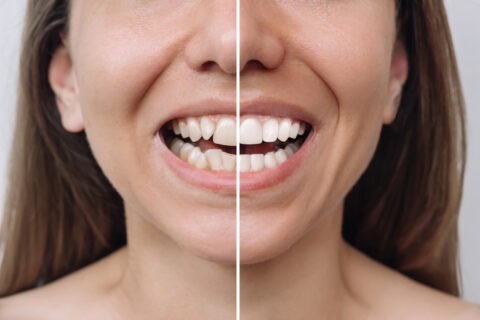
When teeth become worn down, they often look shorter and uneven. Veneers can rebuild the original length and contour of your teeth, creating a more proportionate smile. This simple adjustment can dramatically improve facial balance and symmetry.
Improving Color and Brightness
Worn enamel can expose darker underlying layers of the tooth, leading to discoloration. Veneers cover these imperfections with a stain resistant surface, instantly brightening your smile.
Creating a Uniform Appearance
If you have multiple chipped or worn teeth, veneers can create consistency across your smile. They are customized to match in size, shade, and shape, giving you a cohesive and polished result.
Functional Benefits Beyond Appearance
While veneers are often associated with cosmetic dentistry, they also provide meaningful functional support.
Reinforcing Tooth Structure
Chipped teeth may become more vulnerable to additional damage. Veneers act as a protective barrier, strengthening the front surface and reducing the risk of further wear.
Improving Bite Alignment
In cases of mild wear or uneven edges, veneers can help restore proper alignment. By rebuilding tooth structure, they contribute to a more balanced bite, which can reduce strain on surrounding teeth.
Reducing Sensitivity
Worn enamel can lead to increased tooth sensitivity, especially when eating hot or cold foods. Veneers cover exposed areas, helping to minimize discomfort and protect sensitive surfaces.
The Veneer Placement Process
The process of getting veneers typically involves a few key steps:
- Consultation and Evaluation:
Your dentist will assess your teeth, discuss your concerns, and determine whether veneers are the right solution.
- Preparation:
A small amount of enamel is gently removed from the front of the tooth to allow the veneer to fit naturally.
- Impressions and Custom Design:
Detailed impressions are taken to create veneers tailored specifically to your smile.
- Bonding:
Once ready, the veneers are carefully bonded to your teeth using strong dental adhesive, ensuring a secure and lasting fit.
The result is a smile that looks natural and feels comfortable.
Are Veneers Right for Worn or Chipped Teeth?
Veneers are an excellent option for patients with mild to moderate wear or cosmetic chips. However, severely damaged teeth may require alternative treatments such as crowns or other restorative procedures.
Ideal candidates typically have:
- Healthy gums
- Minimal active decay
- Sufficient enamel for bonding
- Realistic expectations about results
A professional evaluation will help determine the most appropriate treatment for your needs.
Caring for Veneers Long Term
To maintain both the cosmetic and functional benefits of veneers, proper care is essential. This includes:
- Brushing twice daily with a non abrasive toothpaste
- Flossing regularly
- Scheduling routine dental checkups
- Avoiding biting hard objects like ice or pens
- Wearing a night guard if you grind your teeth
With proper care, porcelain veneers can last ten to fifteen years or longer, providing both durability and beauty.
A Solution That Protects and Enhances
Worn or chipped teeth do not have to define your smile. Veneers offer a comprehensive solution that restores structure, improves aesthetics, and protects your teeth from further damage. By addressing both cosmetic concerns and functional needs, veneers help patients regain confidence while preserving oral health.
If you are bothered by uneven edges, visible chips, or worn enamel, exploring veneers could be the first step toward a stronger and more confident smile. Small improvements in tooth structure can lead to lasting changes in how you look, feel, and function every day.