How Often Should You Visit the Dentist? A Complete Guide for Families
Maintaining a healthy smile takes more than brushing and flossing at home. While daily oral hygiene is essential, routine dental visits play a critical role in preventing problems before they become serious. One of the most common questions families ask is simple: how often should you visit the dentist?
The answer depends on age, oral health history, and individual risk factors. This complete guide explains how often children, teens, adults, and seniors should schedule dental appointments and why preventive care is so important for long-term health.
Why Routine Dental Visits Matter
Regular dental checkups are about prevention, not just treatment. Many dental problems develop slowly and without pain in the early stages. Cavities, gum disease, and even oral infections can progress silently before noticeable symptoms appear.
Routine visits allow your dental team to:
- Detect cavities early
- Monitor gum health
- Remove plaque and tartar buildup
- Screen for oral cancer
- Evaluate bite alignment and jaw function
- Provide professional cleanings
- Offer personalized oral hygiene guidance
Preventive care helps families avoid complex and costly procedures in the future. A simple cleaning today can prevent a root canal tomorrow.
The Standard Recommendation: Twice a Year
For most children and adults with good oral health, visiting the dentist every six months is recommended. This schedule allows dental professionals to monitor changes, clean hard-to-reach areas, and address small concerns before they become major issues.
The six-month interval is not arbitrary. Plaque can harden into tartar within weeks, and tartar cannot be removed with brushing alone. Professional cleanings every six months help maintain healthy gums and reduce the risk of decay.
However, this is a general guideline. Some patients may need more frequent visits depending on their oral health status.
Dental Visit Frequency for Children
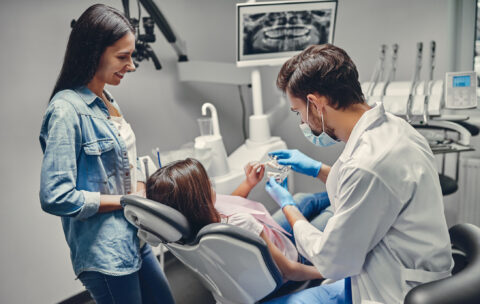
Children should have their first dental visit by their first birthday or when their first tooth appears. Early visits focus on monitoring development, teaching parents proper cleaning techniques, and helping children feel comfortable in a dental setting.
After the initial visit, most children benefit from checkups every six months. These visits allow dentists to:
- Track tooth eruption
- Identify early signs of cavities
- Apply fluoride treatments
- Recommend sealants when appropriate
- Guide healthy habits
Children are especially prone to cavities, so preventive care during early years sets the foundation for lifelong oral health.
Teens and Orthodontic Patients
Teenagers often require the same six month schedule. However, teens undergoing orthodontic treatment such as braces may need more frequent cleanings. Brackets and wires create additional areas where plaque can accumulate.
More frequent visits help prevent staining, decay, and gum inflammation during orthodontic treatment. Dentists may coordinate care with orthodontists to ensure comprehensive oral health support.
Adults with Healthy Smiles
For adults with no history of gum disease or significant dental problems, twice yearly visits are usually sufficient. These appointments include professional cleaning, exam, and possibly X rays depending on individual needs.
Even if your teeth feel fine, skipping routine visits can allow minor issues to develop unnoticed. Early detection remains one of the most important benefits of preventive dentistry.
Adults Who May Need More Frequent Visits
Some individuals require dental visits every three to four months instead of every six. You may need more frequent appointments if you have:
- A history of gum disease
- Frequent cavities
- Diabetes
- A weakened immune system
- Dry mouth
- Tobacco use
- Pregnancy related gum changes
Patients with periodontal disease often benefit from regular periodontal maintenance cleanings to control inflammation and prevent progression.
Your dentist will create a customized schedule based on your oral health and medical history.
Seniors and Dental Care
As we age, oral health needs can change. Seniors may experience gum recession, dry mouth from medications, or wear on restorations such as crowns and fillings.
Regular dental visits help monitor:
- Root decay
- Oral cancer risk
- Fit of dentures or partials
- Signs of bone loss
- Changes related to chronic conditions
Most seniors continue with six month visits, though some may need more frequent care depending on their health status.
What Happens During a Routine Dental Visit
Understanding what to expect can help reduce anxiety and encourage consistency.
A typical preventive visit includes:
Professional Cleaning
A dental hygienist removes plaque and tartar from above and below the gum line. Teeth are polished to remove surface stains, and fluoride may be applied for added protection.
Comprehensive Examination
The dentist checks for cavities, gum health, bite alignment, and signs of oral disease. They may use digital X rays to detect issues not visible to the naked eye.
Oral Cancer Screening
A quick screening checks for unusual lesions or abnormalities in the mouth, tongue, and throat.
Personalized Recommendations
Your dental team will discuss brushing techniques, flossing habits, and any areas that need extra attention.
Routine visits are typically comfortable and efficient, yet incredibly valuable for long term health.
The Cost Saving Power of Preventive Care
Some families delay dental visits due to cost concerns. However, preventive care is almost always less expensive than restorative treatment.
For example:
- A small filling costs far less than a crown
- A routine cleaning is less costly than deep gum therapy
- Early detection of decay prevents complex procedures
Most dental insurance plans cover preventive visits at little or no out of pocket cost. Investing in routine care protects both your health and your budget.
Signs You Should Not Wait Six Months
Even if you recently had a checkup, certain symptoms require immediate attention:
- Persistent tooth pain
- Bleeding or swollen gums
- Sensitivity that worsens
- Loose teeth
- Jaw pain
- Broken or chipped teeth
Do not wait for your next scheduled appointment if you experience discomfort or changes in your oral health.
Building Healthy Dental Habits as a Family
Consistency is easier when the whole family commits together. Consider:
- Scheduling family appointments on the same day
- Marking dental visits on a shared calendar
- Modeling good brushing and flossing habits for children
- Encouraging open conversations about oral health
When dental care becomes part of your routine, it feels less like a chore and more like a normal part of maintaining overall wellness.
The Bottom Line: Personalized Preventive Care
So how often should you visit the dentist? For most families, every six months is ideal. However, your specific needs may require more frequent care. The best approach is to follow your dentist’s recommendation based on your individual oral health.
Regular dental visits are one of the simplest ways to protect your smile for life. They help prevent disease, reduce treatment costs, and give you confidence that your teeth and gums are healthy.
If it has been more than six months since your last appointment, now is the perfect time to schedule a checkup. Preventive care today leads to healthier smiles tomorrow.