Botox San Francisco: A Dental Guide to Facial Aesthetics and Jaw Pain Relief
Botox is often associated with smoother skin and a refreshed appearance, but its benefits can go beyond cosmetic treatment. In dentistry, Botox may also be used to help patients who struggle with jaw tension, clenching, teeth grinding, and certain types of facial muscle pain.
If you are searching for Botox San Francisco, you may be looking for a provider who understands both facial aesthetics and oral function. That combination matters. The muscles around the jaw, cheeks, mouth, and lower face affect not only how you look, but also how you chew, speak, smile, and rest your bite.
At Aesthetic Dentistry of Noe Valley in San Francisco, facial aesthetics and dental care are approached with balance, precision, and patient comfort in mind. Whether you are interested in softening fine lines or learning about Botox for jaw pain, the goal is to create results that feel natural and support your overall well-being.
This guide explains how Botox works, why dental training can be valuable for lower-face treatment, and what patients should know before scheduling a consultation.
What Is Botox?
Botox is a brand name for a purified botulinum toxin medication. It is part of a category of injectable treatments often called neuromodulators. These treatments temporarily relax targeted muscles by reducing the nerve signals that tell those muscles to contract.
When used cosmetically, Botox can soften the appearance of dynamic wrinkles. These are lines caused by repeated facial movements, such as smiling, frowning, squinting, or raising the eyebrows.
When used therapeutically in dentistry, Botox may help reduce overactivity in certain jaw muscles. This can be helpful for some patients with muscle-related jaw pain, clenching, or teeth grinding.
Botox does not permanently change the muscles. Its effects are temporary, which means treatment must be repeated periodically to maintain results.
Why Patients Look for Botox in San Francisco
San Francisco patients often want care that is refined, natural-looking, and personalized. Many people are not looking for a dramatic change. They simply want to look less tired, soften visible tension, or feel more comfortable in their jaw and face.
Patients may consider Botox for several reasons, including:
- Forehead lines
- Frown lines between the eyebrows
- Crow’s feet around the eyes
- Smile or lip-related concerns
- Jaw tension
- Teeth clenching
- Muscle-related jaw discomfort
- Facial slimming in the jaw area
- Headaches related to jaw muscle tension
- A more relaxed facial appearance
For dental patients, Botox may be especially relevant when facial aesthetics and bite function overlap. A dentist who understands oral anatomy can evaluate how the jaw muscles, teeth, bite, and facial structure work together.
How Botox Works for Facial Aesthetics
Facial lines often form because certain muscles contract repeatedly over time. Botox temporarily relaxes specific muscles so the skin over those areas appears smoother.
Common cosmetic treatment areas may include:
Forehead Lines
Horizontal forehead lines can appear when you raise your eyebrows. Botox may help soften these lines while preserving natural facial expression.
Frown Lines
The vertical lines between the eyebrows are sometimes called “11 lines.” They can make a person look tired, stressed, or angry even when they feel relaxed. Botox can reduce the muscle movement that deepens these lines.
Crow’s Feet
Crow’s feet are the fine lines that form around the outer corners of the eyes. They often become more noticeable when smiling or squinting.
Lower-Face Balance
In some cases, Botox may be used around the mouth, chin, or jawline to improve balance and reduce excessive muscle activity. These areas require careful technique because small changes can affect the smile and facial movement.
The best Botox results do not look frozen. They look rested, balanced, and natural.
Botox for Jaw Pain: How It May Help
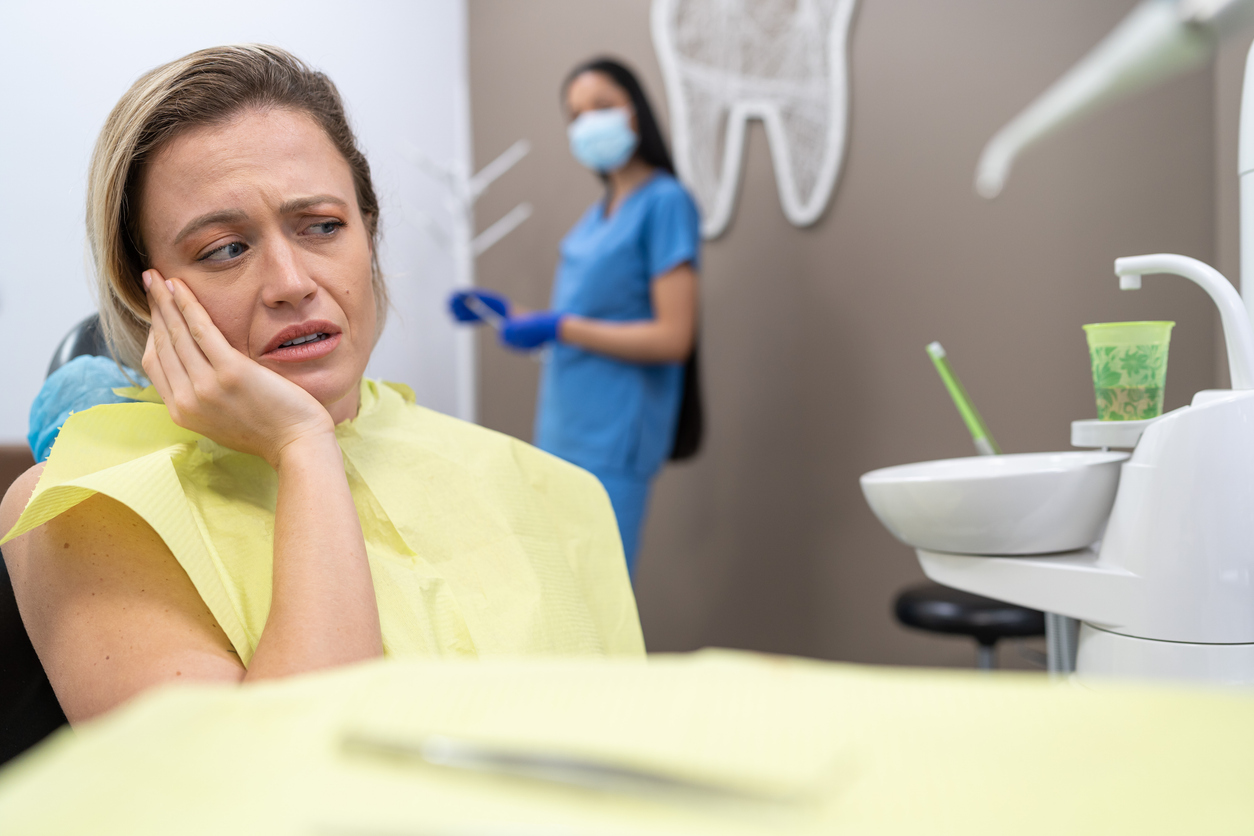
Botox for jaw pain is often considered when jaw discomfort is related to overactive muscles. The masseter muscles, located near the back of the jaw, are powerful chewing muscles. When they are overused from clenching or grinding, they can become sore, enlarged, or tense.
Some patients experience jaw pain because they clench during the day. Others grind their teeth at night without realizing it. This habit, known as bruxism, can put heavy pressure on the teeth, jaw joints, and surrounding muscles.
Botox may help by relaxing targeted jaw muscles. This can reduce excessive muscle force and may ease tension for certain patients.
Botox for jaw pain may be discussed for patients with:
- Jaw muscle soreness
- Teeth grinding or clenching
- Tension in the cheeks or temples
- Morning jaw fatigue
- Pain when chewing
- Enlarged masseter muscles
- Headaches linked to jaw tension
- Discomfort from overactive chewing muscles
It is important to note that jaw pain can have many causes. Botox may help when muscle overactivity is a major factor, but it is not the right treatment for every type of TMJ or jaw problem.
Botox, TMJ, and Bruxism: What Is the Difference?
Many patients use the terms TMJ, TMD, clenching, and grinding interchangeably, but they are not exactly the same.
TMJ
TMJ stands for temporomandibular joint. You have one TMJ on each side of your face, connecting the jawbone to the skull.
TMD
TMD stands for temporomandibular disorder. It refers to problems affecting the jaw joints, chewing muscles, or surrounding structures.
Bruxism
Bruxism means teeth grinding or clenching. It can happen during sleep or while awake.
Botox may be considered when jaw pain is driven by muscle tension or overactive chewing muscles. However, if jaw pain is caused by joint damage, arthritis, bite problems, injury, infection, or another condition, different treatment may be needed.
That is why a proper dental evaluation is important before treatment.
Why See a Dentist for Botox for Jaw Pain?
A dentist’s training includes the teeth, bite, jaw joints, facial muscles, and oral anatomy. This background can be especially useful when Botox is being considered for jaw-related symptoms.
A dental evaluation can help determine whether jaw pain may be related to:
- Teeth grinding
- Clenching habits
- Bite imbalance
- Worn teeth
- Cracked teeth
- Jaw joint irritation
- Muscle overuse
- Missing or misaligned teeth
- Old dental restorations
- Sleep-related grinding patterns
In some cases, Botox may be part of a broader treatment plan. Your dentist may also recommend a nightguard, bite evaluation, restorative treatment, orthodontic care, stress-related habit awareness, or other therapies.
The goal is not simply to relax a muscle. The goal is to understand why the muscle is overworking in the first place.
What to Expect During a Botox Consultation
A Botox consultation should begin with a conversation about your goals and symptoms. If you are interested in cosmetic Botox, your provider will ask what you would like to improve and evaluate your facial movement.
If you are interested in Botox for jaw pain, your dentist may ask about:
- Where the pain occurs
- When symptoms started
- Whether you clench or grind your teeth
- Whether pain is worse in the morning
- Any clicking, popping, or locking in the jaw
- Headaches or facial soreness
- Tooth sensitivity or worn teeth
- Previous TMJ or dental treatments
- Medical history and medications
Your provider may examine your bite, teeth, gums, jaw movement, and facial muscles. This helps determine whether Botox is appropriate and where treatment should be placed.
What Happens During Botox Treatment?
Botox treatment is usually quick and minimally invasive. The provider uses a small needle to place precise amounts of medication into targeted muscles.
For cosmetic treatment, injections are placed in specific facial muscles based on your expression patterns and goals.
For jaw pain, treatment often focuses on the masseter muscles. These muscles are located along the sides of the jaw and can become tense or enlarged from clenching and grinding.
Most patients return to normal daily activities shortly after treatment. Your provider will give you aftercare instructions, which may include avoiding rubbing the treated area, intense exercise, or lying flat for a short period after the appointment.
When Do Botox Results Appear?
Botox does not work instantly. Many patients begin to notice effects within a few days, with fuller results appearing after about one to two weeks.
For jaw pain, improvements may be gradual as the treated muscles relax. Patients who clench heavily may notice reduced tension, less soreness, or less forceful grinding over time.
Results vary depending on the individual, the treatment area, the dosage, and the underlying cause of symptoms.
How Long Does Botox Last?
Botox results are temporary. Cosmetic results often last about three to four months for many patients, though this can vary. Botox for jaw muscles may also last several months, depending on muscle strength, metabolism, dosage, and treatment history.
Patients using Botox for jaw pain may need periodic maintenance treatments. Your dentist can recommend a schedule based on your symptoms and response.
Is Botox Safe?
Botox has a long history of medical and cosmetic use when administered by trained professionals. Like any treatment, it has potential risks and side effects.
Possible side effects may include:
- Temporary soreness or bruising at the injection site
- Headache
- Mild swelling
- Temporary muscle weakness
- Asymmetry
- Changes in smile movement if lower-face muscles are affected
- Limited chewing strength when jaw muscles are treated
Botox is not appropriate for everyone. Patients who are pregnant, breastfeeding, have certain neuromuscular conditions, or have allergies to ingredients in the medication may not be candidates.
A consultation is the best way to review your medical history and determine whether treatment is appropriate.
Botox vs. Nightguards for Jaw Pain
Many patients with jaw pain or teeth grinding are familiar with nightguards. A nightguard is a custom oral appliance worn while sleeping to protect the teeth from grinding forces.
Botox and nightguards work differently.
A nightguard protects the teeth from wear and damage. It does not necessarily stop the jaw muscles from clenching.
Botox may reduce the strength of overactive jaw muscles. It does not physically protect the teeth from grinding contact.
For some patients, the two treatments may be used together. A nightguard can protect the teeth, while Botox may help reduce muscle tension. Your dentist can explain whether one or both options make sense for your situation.
Can Botox Slim the Jawline?
In some patients, overactive or enlarged masseter muscles can make the lower face appear wider or more square. Botox can relax these muscles, and over time, the muscle may appear smaller.
This is sometimes called masseter Botox or jawline slimming. It may be appealing to patients who want a softer lower-face contour.
However, jawline slimming should be approached carefully. The goal should be facial balance, not overcorrection. A dentist or trained provider who understands jaw function can help determine whether this treatment is appropriate.
Who Is a Good Candidate for Botox in San Francisco?
You may be a candidate for Botox if you are looking for a non-surgical way to soften expression lines or reduce muscle-related jaw tension.
Good candidates often have:
- Realistic expectations
- Good general health
- Dynamic facial lines caused by muscle movement
- Jaw pain linked to clenching or muscle overuse
- No medical contraindications
- A desire for subtle, natural-looking results
For jaw pain, the best candidates are patients whose symptoms are connected to muscle tension rather than a more complex joint or medical condition.
Why Choose Aesthetic Dentistry of Noe Valley for Botox in San Francisco?
When choosing a provider for Botox San Francisco, experience and anatomy matter. This is especially true for treatment involving the lower face, jawline, and chewing muscles.
Aesthetic Dentistry of Noe Valley brings a dental perspective to facial aesthetics. That means treatment planning can consider not only how your face looks at rest and in motion, but also how your jaw, bite, teeth, and muscles work together.
Patients may choose Aesthetic Dentistry of Noe Valley for:
- Personalized consultations
- Natural-looking facial aesthetic goals
- Knowledge of oral and facial anatomy
- Evaluation of jaw pain and bite-related concerns
- Treatment planning that supports both appearance and function
- A professional, patient-centered dental setting
Whether you are seeking cosmetic Botox, Botox for jaw pain, or guidance on jaw tension and teeth grinding, a thoughtful evaluation is the first step.
FAQ: Botox San Francisco and Botox for Jaw Pain
What is Botox used for in dentistry?
In dentistry, Botox may be used to support facial aesthetics and help manage muscle-related jaw tension. Dentists may use Botox for concerns involving clenching, grinding, masseter muscle overactivity, and certain lower-face cosmetic goals.
Can Botox help with jaw pain?
Botox may help with jaw pain when the discomfort is caused by overactive chewing muscles, clenching, or grinding. It works by temporarily relaxing targeted muscles. It is not the right solution for every type of jaw pain, so a dental evaluation is important.
Is Botox for jaw pain the same as TMJ treatment?
Not exactly. Botox may be one option for certain muscle-related TMD symptoms, but TMJ problems can have many causes. Some patients need nightguards, bite therapy, restorative care, physical therapy, or other treatments instead.
How long does Botox for jaw pain last?
Results often last several months, but this varies by patient. Factors include muscle strength, dosage, metabolism, clenching habits, and how your body responds to treatment.
Does masseter Botox change your face shape?
It can. When Botox is used in enlarged masseter muscles, the lower face may gradually appear slimmer or softer. This effect depends on your anatomy and muscle size.
Is Botox painful?
Most patients describe Botox injections as quick and tolerable. The needle is small, and discomfort is usually brief.
How soon will I feel relief from jaw tension?
Some patients notice improvement within several days, while others feel changes after one to two weeks. Relief from jaw tension may continue to improve as the muscles relax.
Can Botox stop teeth grinding?
Botox may reduce the strength of clenching or grinding muscles, but it may not eliminate the habit. Many patients still need a nightguard to protect their teeth.
Who should not get Botox?
Botox may not be appropriate for patients who are pregnant, breastfeeding, have certain neuromuscular conditions, or have specific allergies. Your provider will review your health history before treatment.
How do I choose the right Botox provider in San Francisco?
Choose a provider with training in facial anatomy, experience with the treatment area, and a conservative approach to natural-looking results. For jaw pain, consider a dentist who can evaluate your teeth, bite, jaw joints, and muscles together.
Schedule a Botox Consultation in San Francisco
Botox can be more than a cosmetic treatment. For the right patient, it may help soften facial lines, support facial balance, and reduce jaw muscle tension related to clenching or grinding.
If you are searching for Botox San Francisco or want to learn whether Botox for jaw pain is right for you, Aesthetic Dentistry of Noe Valley can help you explore your options. A personalized consultation allows your dental team to evaluate your goals, symptoms, facial anatomy, and oral health before recommending a treatment plan.
A more relaxed smile, a more comfortable jaw, and a refreshed appearance may all begin with the right conversation.