What Happens at an Oral Exam at Your Dentist Office?
Has it been some time since you visited the dentist’s office for an oral exam? If so, you may be wondering what the process entails. The following will help you prepare for your visit and alleviate any anxiety you may be feeling.
The oral exam process
While all dentists differ in some ways, most will follow the same steps during an oral exam. This helps to identify any concerns and ensure the health of your teeth. Here is what happens during an oral exam with your dentist.
Medical history
Before the exam, you will be asked for a complete dental and medical history. All medications need to be disclosed as well as any chronic diseases that could affect oral health. This information will allow the dentist to focus on the areas that the chronic condition can affect. It will enable the dental team to create a better oral health care plan for you. If you are visiting a dentist you have already been to, you will likely be asked if the information you provided at the last visit is still correct or if anything has changed.
Initial exam
The dentist, or sometimes a dental hygienist, will do a brief exam to identify any problems before continuing. This is an opportunity for you to point out any pain or issues before heading into the cleaning.
X-rays
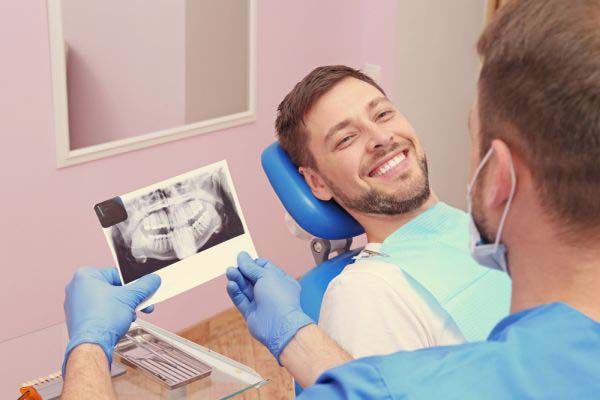
X-rays will be taken of the teeth to identify any issues and to create a baseline for future treatments. The dentist can refer to these X-rays when examining changes in the teeth and gums at following visits. X-rays help identify bone loss, abnormalities, tooth decay, gum disease, tumors and cysts.
Cleaning
If there are no immediate problems that would hinder a cleaning, the dentist or a dental hygienist will clean the teeth, gum and mouth. This prepares it for the oral exam by removing anything that can harm the teeth or obstruct the dentist’s view.
Plaque and tartar are scraped from the teeth and gum line with a scaler. Once the plaque and tartar are removed, the hygienist will polish the teeth. A gritty toothpaste and electric toothbrush are used to leave the teeth shiny and smooth. The next step is flossing followed by a fluoride treatment. The fluoride treatment is typically applied as a gel and rinsed out with water.
Final inspection
Finally, the dentist will examine the teeth for gum disease, problems with alignment, signs of grinding or other potential issues. During the final oral exam, dental work such as bridges and fillings are inspected. The dentist will check areas of the mouth and throat for signs of oral cancer.
Continue to maintain your healthy smile by following the dentist’s instructions. Brush and floss daily and avoid foods and drinks that will stain your teeth.
Are you ready for your oral exam?
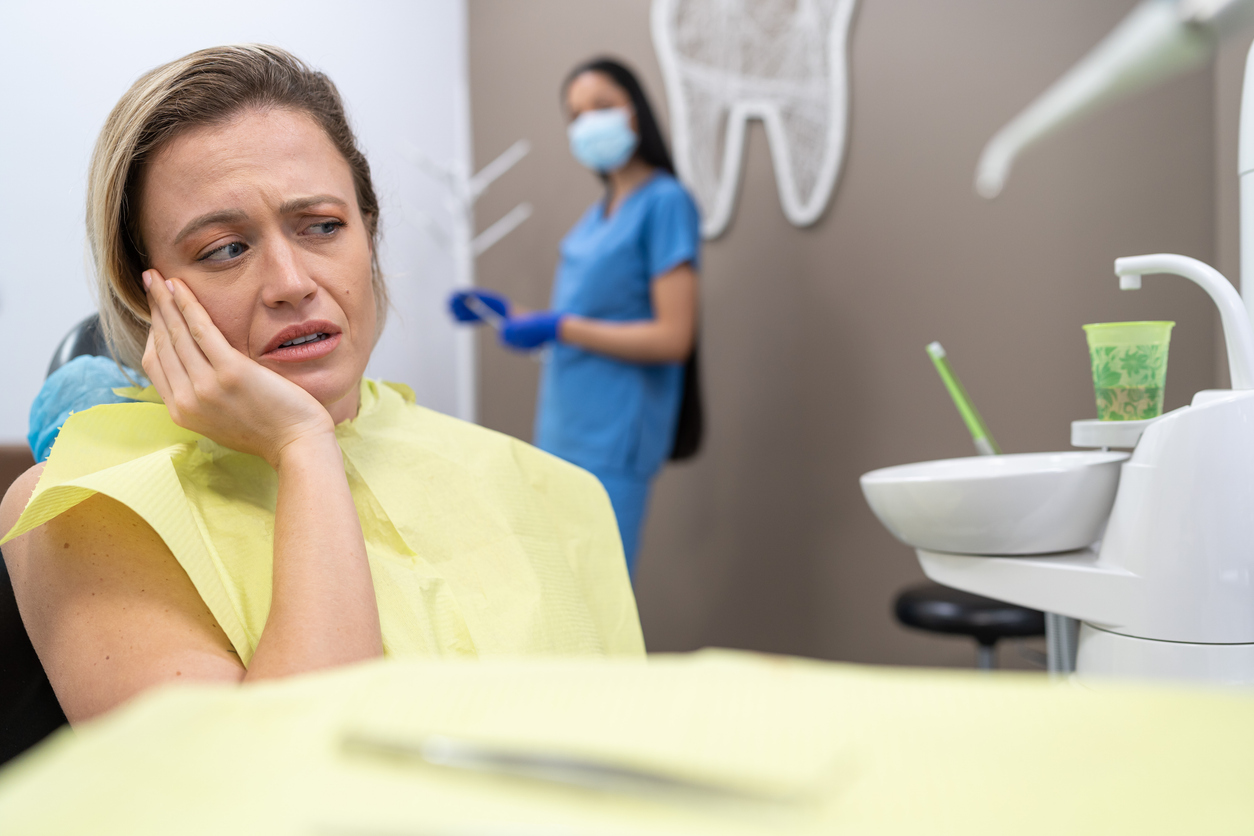
It is normal to experience anxiety and discomfort when visiting the dentist for the first time or after a long gap in care. Do not let this fear stop you from taking proper care of your health. You now know what to expect and can mentally prepare yourself for the visit.
To schedule your oral exam, call our office to choose a suitable time. We are happy to explain our process to help reduce your concerns.
Are you considering an oral exam in the San Francisco area? Get more information at https://aestheticsmiles.com.
Check out what others are saying about our services on Yelp: Read our Yelp reviews.
Related Posts
A brighter smile can make you look refreshed, confident, and more polished. But with so many whitening strips, toothpastes, gels, and online trends available, it can be difficult to know what actually works and what is safe for your teeth.That is where a professional teeth whitening dentist can help. Dentist-supervised whitening is designed to brighten…
Dental emergencies can happen without warning. A sudden toothache, broken tooth, fractured tooth, swollen gums, or damaged restoration can quickly disrupt your day and leave you wondering what to do next.If you are looking for a San Francisco emergency dentist, the most important step is to get professional guidance as soon as possible. Dental pain…
Gum disease is one of the most common oral health conditions affecting both adults and children. It often begins quietly, without significant pain, which makes it easy to overlook. However, when left untreated, gum disease can progress to serious complications, including tooth loss and damage to the supporting bone structure.The good news is that gum…
Maintaining a healthy smile takes more than brushing and flossing at home. While daily oral hygiene is essential, routine dental visits play a critical role in preventing problems before they become serious. One of the most common questions families ask is simple: how often should you visit the dentist?The answer depends on age, oral health…