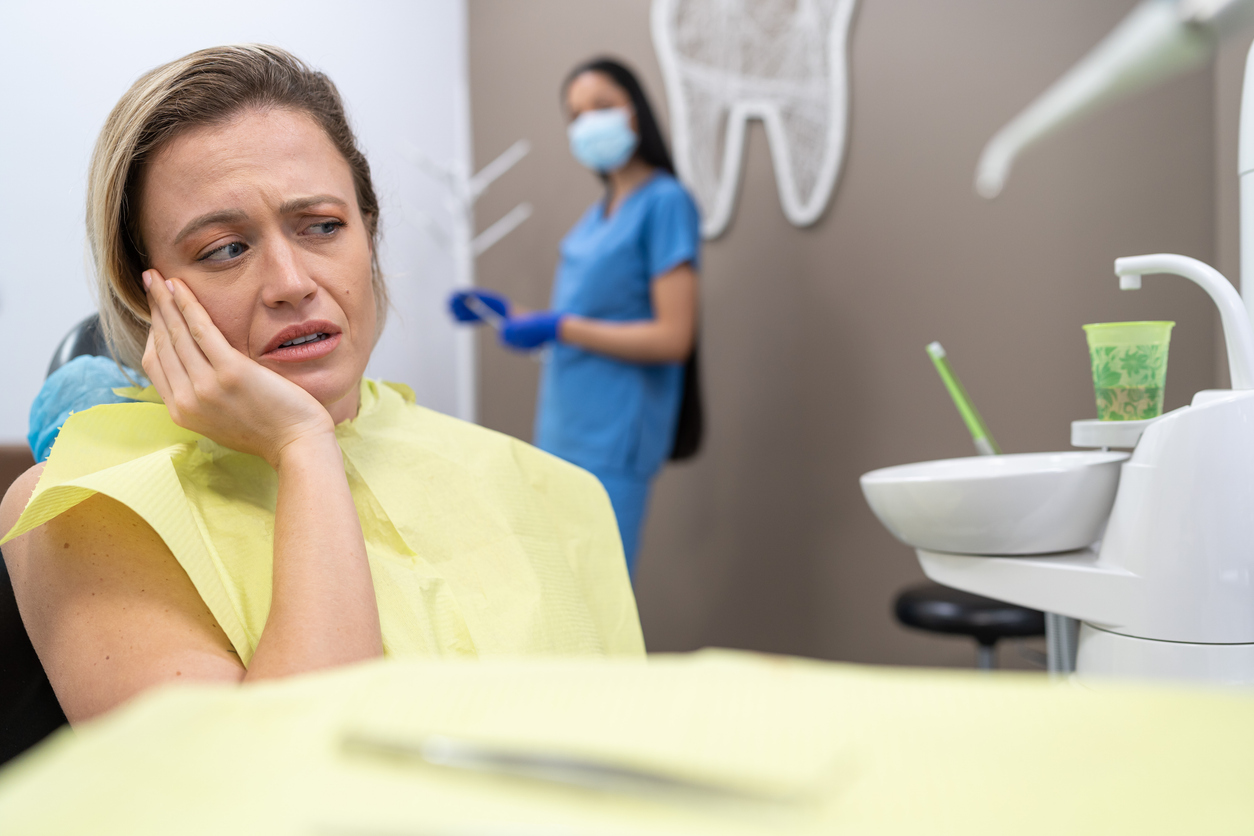
To make dental care more affordable, it is wise to have some type of dental plan in place when choosing a dentist. Whether this is dental insurance or a savings plan, having a plan can make the difference between affordable work or no option. There are several types on the market and it can be hard to determine which one is the best for a person's situation. With that in mind, here is information on different plans to assist patients in making a decision.
Dental PPO
These types of dental plans are common because they are often available through employers. Individual patients can also obtain a dental PPO by paying a monthly premium. The benefit of a PPO is that they give patients more flexibility in choosing a provider for their dental care.
There are very few limitations on which dentist a person can use, so it is possible to switch periodically or search for one that is a good fit for personality and services.
Dental HMO
A dental HMO is also an insurance plan that requires paying a monthly premium, either through an employer or individually. With an HMO, specific dentists sign agreements with the plan. Thus, patients have to visit these specific dentists. Dental HMO may be more limited than a PPO, but the cost is generally less as well.
Prepaid
Some dental groups may offer prepaid plans where patients put money into an account on a monthly or annual basis and, in exchange, can receive discounts on services.
Fee for service
Those who do not have dental plans must look for a provider who accepts cash or offers a fee for service plans. Some dentists offer cash discounts for these patients, making services more affordable. It is important to ask if cash is accepted and whether. Patients can also ask whether or not a dentist offers credit if no insurance is in place.
Discount plans
Some patients buy a discount plan in addition to insurance, or in place of it. A discount plan works by establishing the cost of each service with a dentist ahead of time. These are discounted rates that are offered to members. The remaining cost must be paid in cash by the patient, but it can save a lot of money. When choosing a dentist, it is important to ask if they accept the type of discount plan that a patient has.
Dental savings plans
A dental savings plan allows for patients to put money into an account directly out of their paycheck. This is typically done pre-tax for an additional savings benefit. There may be restrictions on how much can be put into this account annually and when the funds must be used by.
Choosing a dentist
Once the right dental plans have been selected, it is important to choose a dentist who can work with it. Be sure to inquire when scheduling an appointment to ensure that there are no surprises at billing time.
Dental emergencies can happen without warning. A sudden toothache, broken tooth, fractured tooth, swollen gums, or damaged restoration can quickly disrupt your day and leave you wondering what to do next.If you are looking for a San Francisco emergency dentist, the most important step is to get professional guidance as soon as possible. Dental pain…
Gum disease is one of the most common oral health conditions affecting both adults and children. It often begins quietly, without significant pain, which makes it easy to overlook. However, when left untreated, gum disease can progress to serious complications, including tooth loss and damage to the supporting bone structure.The good news is that gum…
Maintaining a healthy smile takes more than brushing and flossing at home. While daily oral hygiene is essential, routine dental visits play a critical role in preventing problems before they become serious. One of the most common questions families ask is simple: how often should you visit the dentist?The answer depends on age, oral health…
A confident smile can change the way you feel about yourself and the way others see you. If you have chipped, stained, uneven, or slightly misaligned teeth, veneers may be the solution you have been looking for. Dental veneers are thin, custom-made shells that are bonded to the front surface of teeth to improve their…
Dental emergencies can happen without warning. A sudden toothache, broken tooth, fractured tooth, swollen gums, or damaged restoration can quickly disrupt your day and leave you wondering what to do next.If you are looking for a San Francisco emergency dentist, the most important step is to get professional guidance as soon as possible. Dental pain…
Gum disease is one of the most common oral health conditions affecting both adults and children. It often begins quietly, without significant pain, which makes it easy to overlook. However, when left untreated, gum disease can progress to serious complications, including tooth loss and damage to the supporting bone structure.The good news is that gum…
 To make