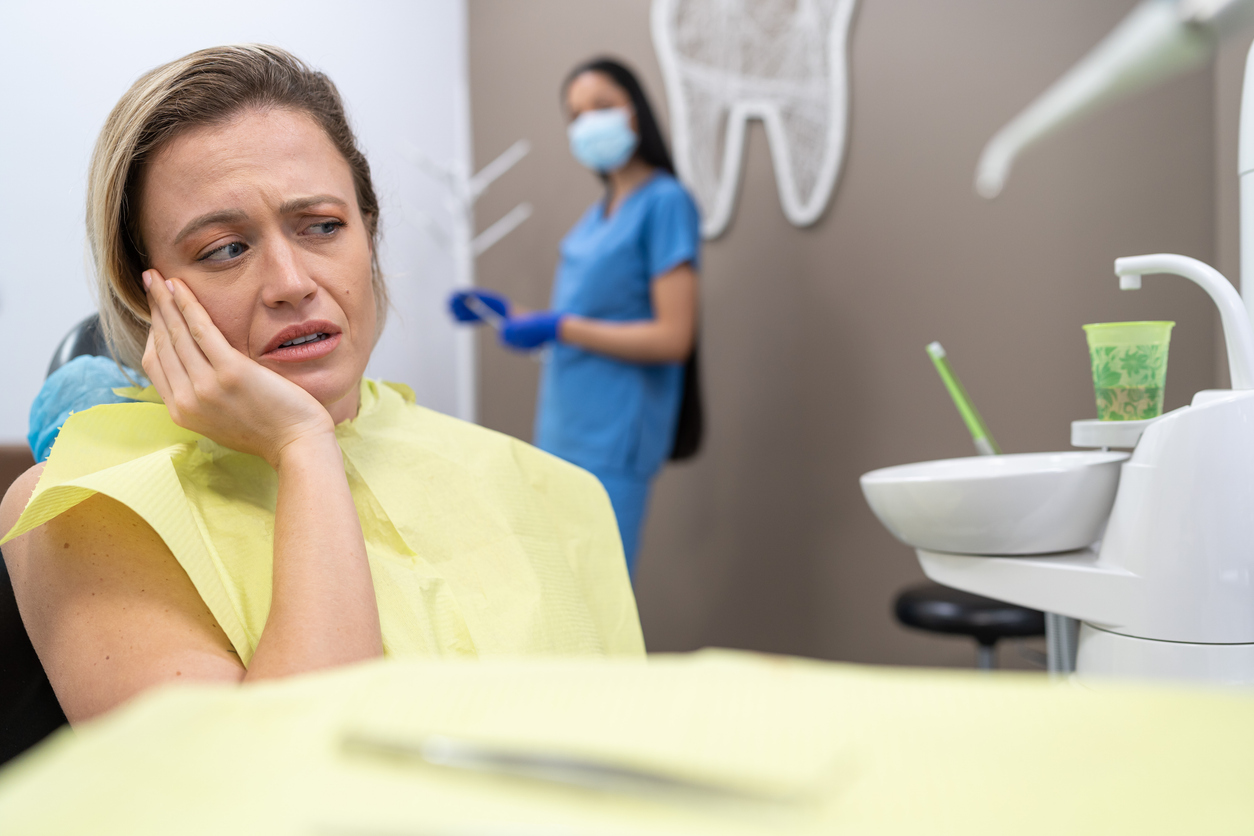
Dental Emergency for an Oral Soft Tissue Injury

A dental emergency can happen at any time, particularly to the soft tissue in your mouth. This guide will go over what kinds of emergencies can occur and what steps you should take afterward. This will help you to take care of yourself, whether you are currently experiencing an injury in your mouth or you’re just looking for future reference.
Types of soft tissue injuries
Soft tissue injuries can happen for a variety of reasons. The cause might be as simple as accidentally biting your cheek, but high-impact activities like car accidents and contact sports can also cause acute damage. These can result in puncture wounds or lacerations and swelling and bruising. Consuming overly hot liquids can also burn your mouth.
More simple injuries such as small bites may not bleed and will likely even heal on their own over time. Bleeding may also stop after a few minutes. However, if you continue to bleed excessively, this may constitute a dental emergency.
What to do
It is important to stay calm and not panic. The soft tissues in your mouth are highly susceptible to damage, and you may be in a lot of pain. Try to seek help from others around you, if possible.
First, you should swish salt water or mouthwash in your mouth to kill bacteria and prevent infection. You should then apply pressure to the area with gauze or a towel to stop the bleeding. Ice can also help to alleviate pain and swelling.
To get treatment for your dental emergency, you should immediately make an appointment with your dentist and try to be seen as soon as possible. It is common for dentists to make same-day appointments for emergencies. You should ideally get someone else to drive you so that you can focus on continuing to apply pressure to the wound. The office may also give you specific instructions over the phone.
What to expect at the dentist?
Depending upon the severity of the injury, treatment options will differ. Your dentist may have to clean the wound and stitch it up, or they may need to consider more serious options that include sedation.
One potential concern is if any of your teeth have also been damaged by the injury. This could require extraction or a procedure such as dental bonding or veneers. Make sure to talk over all options with your dentist.
What to expect afterward
Your dentist may prescribe you painkillers or anti-inflammatory medications. You may still experience some pain and tenderness after your visit. Your dentist will give you specific instructions, but it is advisable to be gentle with your mouth. This includes eating soft foods, such as applesauce and yogurt and gently using antiseptic rinses. Some foods, such as acidic and spicy foods, can irritate your mouth and should be avoided.
Get help with dental emergencies
If you reinjure your mouth and restart the bleeding or other complications occur, make sure to contact your dentist as soon as possible so that they can fix the problem. Dental emergencies come in all forms, so if you feel like something is wrong then don't hesitate to reach out for help. Your oral health depends on it!
Request an appointment here: https://aestheticsmiles.com or call Aesthetic Dentistry of Noe Valley at (415) 285-7007 for an appointment in our San Francisco office.
Check out what others are saying about our dental services on Yelp: Emergency Dentist in San Francisco, CA.
Related Posts
Dental emergencies can happen without warning. A sudden toothache, broken tooth, fractured tooth, swollen gums, or damaged restoration can quickly disrupt your day and leave you wondering what to do next.If you are looking for a San Francisco emergency dentist, the most important step is to get professional guidance as soon as possible. Dental pain…
Gum disease is one of the most common oral health conditions affecting both adults and children. It often begins quietly, without significant pain, which makes it easy to overlook. However, when left untreated, gum disease can progress to serious complications, including tooth loss and damage to the supporting bone structure.The good news is that gum…
Maintaining a healthy smile takes more than brushing and flossing at home. While daily oral hygiene is essential, routine dental visits play a critical role in preventing problems before they become serious. One of the most common questions families ask is simple: how often should you visit the dentist?The answer depends on age, oral health…
An emergency dentist is usually a general dentist who has the staff, resources, hours, and willingness to treat dental emergencies. A dental emergency may include a range of mouth injuries or developing oral health concerns. It can be helpful to fully understand when to see an emergency dentist for prompt treatment.When an individual has an…