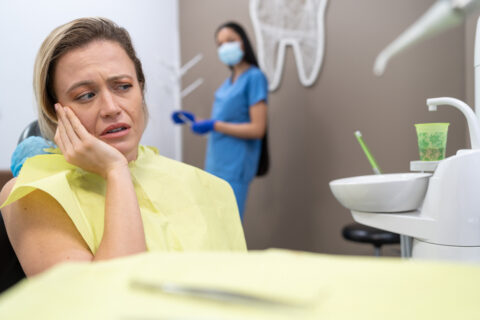
San Francisco Emergency Dentist: What to Do When You Need Urgent Dental Care
Dental emergencies can happen without warning. A sudden toothache, broken tooth, fractured tooth, swollen gums, or damaged restoration can quickly disrupt your day and leave you wondering what to do next.
If you are looking for a San Francisco emergency dentist, the most important step is to get professional guidance as soon as possible. Dental pain and trauma rarely improve on their own, and waiting too long can make treatment more complicated. Prompt care can help relieve pain, protect your oral health, and prevent a small issue from becoming a serious problem.
At Aesthetic Dentistry of Noe Valley in San Francisco, emergency dental care is focused on identifying the cause of your symptoms, relieving discomfort, and creating a treatment plan that supports your long-term health. In some cases, that may mean repairing a damaged tooth. In others, it may involve replacing a tooth with a long-lasting option such as dental implants.
This guide explains what counts as a dental emergency, what you should do before your appointment, and how modern dentistry can restore your smile after urgent dental problems.
What Is a Dental Emergency?
A dental emergency is any oral health problem that requires prompt attention to relieve severe pain, stop bleeding, treat infection, or save a tooth. Some emergencies are obvious, such as a fractured tooth or facial swelling. Others may start as mild discomfort and quickly become more serious.
Common dental emergencies include:
- Severe tooth pain
- A cracked, broken, or chipped tooth
- A fractured tooth
- A loose adult tooth
- Dental abscess or infection
- Swelling in the gums, jaw, or face
- Lost crown, filling, veneer, or bridge
- Broken dentures or implant restorations
- Bleeding that does not stop
- Pain when biting or chewing
Even if your symptoms seem manageable, it is still wise to contact a dentist. Dental issues can progress quickly, especially when infection or trauma is involved.
When Should You Call a San Francisco Emergency Dentist?
You should call a San Francisco emergency dentist when you have dental pain, swelling, trauma, or damage that cannot wait for a routine appointment. The sooner a dentist evaluates the problem, the better your chances of saving the tooth and avoiding more extensive treatment.
You should seek urgent dental care if you experience:
Severe or Persistent Tooth Pain
Tooth pain is one of the most common reasons patients need emergency dental care. A toothache may be caused by decay, infection, a cracked tooth, gum disease, or inflammation inside the tooth.
Pain that keeps you awake, worsens when you bite, or lingers after hot or cold foods should be evaluated promptly. These symptoms may indicate that the nerve inside the tooth is irritated or infected.
A Fractured Tooth
A fractured adult tooth is a true dental emergency. Acting quickly may improve the chance of saving the tooth.
If a permanent tooth is fractured, handle it by the crown, not the root. Gently rinse it with water if dirty, but do not scrub it. Try placing it back into the socket if possible. If that is not comfortable, keep it moist in milk or saliva and contact an emergency dentist immediately.
Do not attempt to reinsert a baby tooth. Call a dentist for guidance.
A Broken or Cracked Tooth
A broken tooth may cause pain, sensitivity, sharp edges, or visible damage. Even a small crack can expose the inner layers of the tooth and increase the risk of infection.
Rinse your mouth with warm water and avoid chewing on the affected side. If there is swelling, use a cold compress on the outside of the face. A dentist can determine whether the tooth can be repaired with bonding, a crown, root canal therapy, or another treatment.
Swelling or Dental Abscess
Swelling in the gums, jaw, or face may be a sign of infection. A dental abscess can cause throbbing pain, fever, bad taste, swollen lymph nodes, or pus near the tooth.
Dental infections should not be ignored. They can spread beyond the tooth and become more serious. If swelling affects your breathing, swallowing, vision, or ability to open your mouth, seek emergency medical care immediately.
Lost Crown, Filling, or Veneer
A lost restoration may not always feel painful at first, but the exposed tooth can become sensitive or vulnerable to further damage. Keep the restoration if you still have it, and call your dentist for next steps.
Avoid chewing hard or sticky foods on that side until the tooth is repaired.
What to Do Before Your Emergency Dental Appointment
The right steps can help protect your tooth and reduce discomfort while you wait to be seen.
For Tooth Pain
Rinse gently with warm water and floss around the area to remove trapped food. Avoid placing aspirin directly on the gums or tooth, as this can irritate the tissue. Over-the-counter pain relievers may help temporarily, but they do not treat the underlying cause.
For a Broken Tooth
Save any broken pieces if you can. Rinse your mouth with warm water and use a cold compress for swelling. If the tooth has a sharp edge, dental wax from a pharmacy may help protect your tongue or cheek until your appointment.
For a Fractured Tooth
Keep the tooth moist and contact a dentist right away. Time matters. The sooner the tooth is evaluated, the better the chance that it may be saved.
For Swelling
Use a cold compress and contact a dentist promptly. Do not apply heat to the swollen area unless instructed by a professional. If swelling is severe or affects breathing or swallowing, seek emergency medical attention.
Emergency Dental Treatments Available in San Francisco
Emergency dental treatment depends on the cause and severity of the problem. Your dentist will first focus on relieving pain, controlling infection, and stabilizing the tooth or surrounding area.
Common emergency dental treatments include:
Dental Fillings
If a cavity, minor fracture, or lost filling is causing discomfort, a tooth-colored filling may be used to restore the tooth and protect it from further damage.
Dental Bonding
Dental bonding can repair small chips, cracks, or cosmetic damage. A tooth-colored composite resin is shaped and polished to blend with your natural tooth.
Dental Crowns
A crown may be recommended when a tooth is cracked, weakened, or badly damaged. Crowns cover and protect the tooth while restoring chewing function and appearance.
Root Canal Therapy
If the inside of the tooth becomes infected or inflamed, root canal therapy may be needed. This treatment removes the infected tissue, cleans the inside of the tooth, and seals it to prevent further infection. A crown is often placed afterward to protect the tooth.
Tooth Extraction
In some cases, a tooth cannot be saved. Tooth extraction may be necessary if the tooth is severely damaged, infected, loose, or fractured below the gum line. If a tooth must be removed, your dentist can discuss replacement options, including dental implants
Dental Implants After a Dental Emergency
Dental emergencies sometimes lead to tooth loss. A tooth may be fractured beyond repair, or removed because of infection. When this happens, replacing the missing tooth is important for both appearance and oral health.
Dental implants are one of the most reliable options for replacing missing teeth. An implant is a small post placed in the jawbone to act like an artificial tooth root. Once healed, it can support a custom crown, bridge, or denture.
Dental implants may help:
- Restore chewing ability
- Replace a missing tooth with a natural-looking result
- Support jawbone health
- Prevent nearby teeth from shifting
- Improve smile confidence
- Provide long-term stability
If you lose a tooth during a dental emergency, your dentist can evaluate whether you are a candidate for an implant. In some cases, bone grafting or additional treatment may be needed before implant placement.
Why Replacing a Missing Tooth Matters
It can be tempting to delay treatment after a tooth is removed, especially if the missing tooth is not easily visible. However, tooth loss can affect more than your smile.
When a tooth is missing, nearby teeth may begin to shift into the empty space. This can change your bite and make cleaning more difficult. The jawbone in that area may also lose stimulation, which can lead to bone changes over time.
Replacing the tooth with a bridge, partial denture, or dental implant can help maintain proper function and protect your long-term oral health.
Are Dental Implants Right for Everyone?
Dental implants are an excellent option for many patients, but they are not the right solution for every situation. Good candidates usually have healthy gums, adequate jawbone support, and overall health that allows proper healing.
Your dentist will consider several factors, including:
- Your oral health
- Bone density
- Gum health
- Medical history
- Smoking or tobacco use
- Bite alignment
- Location of the missing tooth
- Your long-term goals
If you are not ready for an implant immediately after an emergency, your dentist may recommend a temporary replacement while planning the next step.
How to Choose an Emergency Dentist in San Francisco
When you are in pain, it can be difficult to compare dental offices carefully. Still, choosing the right dentist matters. Emergency care should be efficient, compassionate, and focused on both immediate relief and long-term results.
Look for an emergency dentist who offers:
Prompt Evaluation
Dental emergencies should be assessed quickly. A responsive dental team can help you understand whether you need urgent care and what to do before your visit.
Comprehensive Treatment Options
A strong emergency dental office should be able to diagnose the problem and provide appropriate treatment, whether that involves a filling, crown, root canal, extraction, or tooth replacement.
Restorative and Cosmetic Expertise
Emergency dentistry often overlaps with cosmetic and restorative care. If a front tooth breaks or a tooth needs replacement, appearance matters. A dentist with experience in crowns, veneers, bonding, and dental implants can help restore both function and aesthetics.
Clear Communication
You should understand what is causing the problem, what your treatment options are, and what to expect next. Good emergency dental care includes clear explanations, not rushed decisions.
Preventing Future Dental Emergencies
Not every emergency can be prevented, but many dental problems can be reduced with regular care and healthy habits.
To lower your risk of a dental emergency:
- Schedule routine dental exams and cleanings
- Treat cavities early
- Wear a nightguard if you grind your teeth
- Use a mouthguard for sports
- Avoid chewing ice, pens, or hard objects
- Do not use your teeth to open packages
- Address cracked or worn teeth before they break
- Replace old or failing dental restorations when recommended
Preventive care is often simpler, more comfortable, and less costly than emergency treatment.
FAQ: San Francisco Emergency Dentist
What should I do if I need an emergency dentist in San Francisco?
Call a dental office as soon as possible and explain your symptoms clearly. Mention severe pain, swelling, bleeding, trauma, or a fractured tooth. The dental team can help determine how urgent the situation is and what steps to take before your appointment.
Is severe tooth pain a dental emergency?
Yes. Severe or persistent tooth pain can be a sign of infection, decay, nerve inflammation, or a cracked tooth. It should be evaluated promptly, especially if the pain is throbbing, worsening, or interfering with sleep.
Can a fractured tooth be saved?
Sometimes. A fractured permanent tooth has the best chance of being saved when treated quickly. Keep the tooth moist, avoid touching the root, and contact an emergency dentist immediately.
What if my tooth has to be removed?
If a tooth cannot be saved, extraction may be necessary to protect your health. Your dentist can discuss replacement options, including dental implants, bridges, or partial dentures.
Are dental implants used after emergency tooth loss?
Yes. Dental implants are commonly used to replace teeth lost because of trauma, infection, or severe damage. Your dentist will evaluate your gums, bone support, and overall oral health before recommending implant treatment.
How do I know if I have a dental abscess?
Signs of a dental abscess may include throbbing tooth pain, gum swelling, facial swelling, fever, bad taste, or pus near the tooth. A dental abscess requires prompt care. If swelling affects breathing or swallowing, seek emergency medical attention.
Can a broken crown or filling wait?
A broken or lost crown or filling should be addressed as soon as possible. Even if it is not painful, the exposed tooth may be vulnerable to sensitivity, decay, or further fracture.
What is the best way to avoid dental emergencies?
Routine dental visits, early treatment of cavities, mouthguards, nightguards, and avoiding hard objects can reduce your risk. Regular exams allow your dentist to catch small issues before they become urgent.
Get Urgent Dental Care in San Francisco
Dental emergencies are stressful, but prompt care can make a major difference. Whether you have sudden tooth pain, a broken tooth, swelling, a lost restoration, or a missing tooth, a skilled San Francisco emergency dentist can help relieve discomfort and protect your smile.
At Aesthetic Dentistry of Noe Valley, patients receive thoughtful care that addresses both immediate symptoms and long-term oral health. When a tooth can be saved, the goal is to restore it with strong, natural-looking treatment. When a tooth is lost, options such as dental implants can help rebuild your smile with lasting confidence.
If you are experiencing a dental emergency in San Francisco, contact Aesthetic Dentistry of Noe Valley for guidance and care.